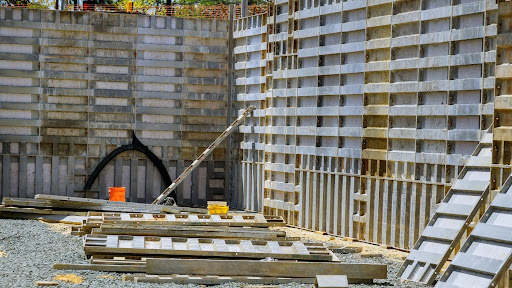
What Is Plywood Formwork and Why Is It Used for Concrete Slabs? Plywood formwork is temporary shuttering that holds wet concrete in place until it cures. It is popular for slab edges, rebates, and penetrations because it is easy to cut, fast to set, and accurate when...
You May Also Like: What’s the Difference Between Film-Faced and Formwork Plywood? What is F Grade Plywood? A Guide to F14 and F17 Formwork Plywood What Thickness Formwork Plywood Do I Need for Concrete Slabs? What tools are best for cutting formwork plywood on site?...
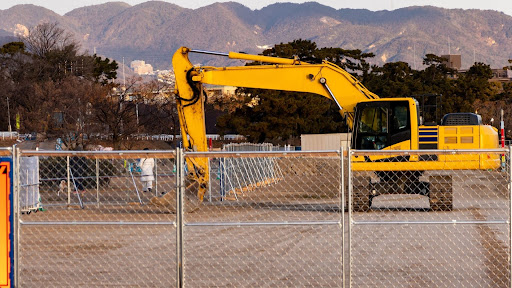
Open pits, trenches, and changing excavation edges create fast-moving risks on construction sites. Mesh fencing is often the first-line control because it sets a clear boundary, supports safe movement, and helps teams protect both people and critical work zones. What...
You May Also Like: How To Properly Maintain and Store LVL Formwork Between Jobs LVL Formwork vs Timber Beams: Which Is Stronger for Concrete Support? What Is 4×3 LVL Plywood Used For in Construction? How do you determine the correct LVL formwork span for your project?...
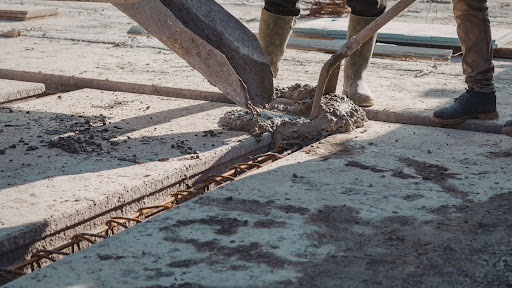
What are the main risks when handling and moving reo bar on site? Reo bar (also written as reobar and reobars) is steel reinforcement that gives reinforced concrete its tensile strength, making it critical across Australian construction. The main risks come from its...
You May Also Like: Where to Buy Formply: A Builder’s Guide to Choosing the Right Formply Does Formply Australia Meet AS 6669 Standards? Where to Buy High-Quality Formply in Australia How does premium formply improve concrete formwork results? Premium formply is...