You May Also Like: Where to Buy Formply: A Builder’s Guide to Choosing the Right Formply Does Formply Australia Meet AS 6669 Standards? Where to Buy High-Quality Formply in Australia How does premium formply improve concrete formwork results? Premium formply is...
Waste on a concrete job rarely looks dramatic. It is the slow pile-up of offcuts, damaged sheets, re-cuts, and “just in case” over-ordering that eats into margins and time. With the impact of increased building material costs on the Australian construction industry...
You May Also Like: Can Scaffolding Mesh Be Reused on Multiple Projects? Is Scaffolding Mesh Required Under Safety Regulations? How Scaffold Mesh Helps Control Dust and Wind on Construction Sites On busy Australian construction sites, scaffold mesh is a simple control...
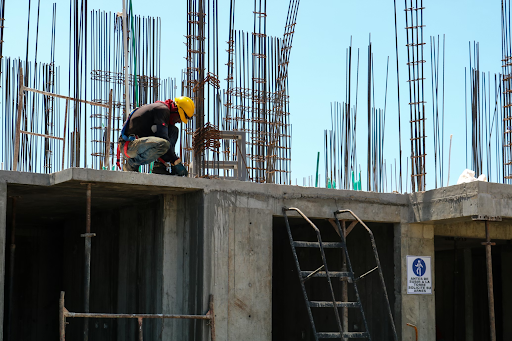
Text: “Ordering the right reo bar is less about guesswork and more about confirming details early. When the reo schedule, formwork, delivery, and compliance paperwork line up, reinforced concrete structures go in faster, safer, and with fewer surprises. What...
You May Also Like: 4 Benefits of Using LVL Formwork for your Next Project How To Properly Maintain and Store LVL Formwork Between Jobs How Does Formwork LVL Perform Under Wet Concrete Pours? Cost-effectiveness in Australian construction is rarely about the cheapest...
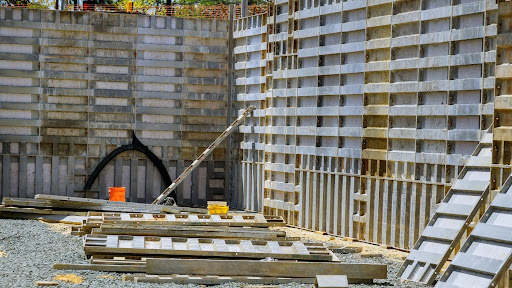
What Is Formply and Why Do Builders Use It for Concrete Formwork? Formply is a type of concrete form plywood designed specifically for forming and holding wet concrete while delivering a consistent surface finish. Builders use it because it is easy to cut, fix, and...