
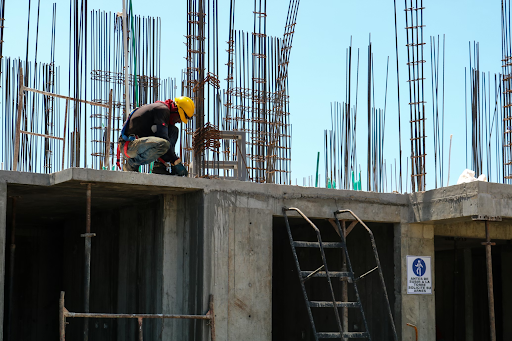
Text: “Ordering the right reo bar is less about guesswork and more about confirming details early. When the reo schedule, formwork, delivery, and compliance paperwork line up, reinforced concrete structures go in faster, safer, and with fewer surprises.
What Specifications Should You Confirm Before Ordering Reo Bar?
They should confirm the structural scope and the exact reo schedule first. Whether it is a slab, footing, retaining wall, columns, beams, coastal infrastructure, or architectural curved concrete forms, each drives different reo bars, shapes, laps, and installation details.
Purchase orders should also standardise naming to prevent mix-ups. Many suppliers carry synonyms across systems, so the order should specify “reo bar” and include reo bar, reobar, and reobars where quotes or inventories use them.
Delivery format needs confirming too. They should request bundles, tags, barcoding, and heat numbers so traceability is available for QA and any later test certificate checks.
Safety requirements must be written into the order and method statement. Protruding reinforcement should be protected with safety strip, and safe on-site storage should be planned to reduce impalement risk during placement and follow-on trades.
Finally, site access is part of the specification. They should confirm crane/forklift availability, unload time windows, and a clear laydown area to avoid delivery rejections and costly rebooking.
How Do You Choose the Right Reo Bar Size and Grade for Your Project?
They should choose reo bar size and grade directly from engineering drawings, not rules of thumb. Bar diameter, spacing, lap lengths, and cover control performance, and proper reo bar installation is what actually delivers maximum concrete strength.
Selection typically comes down to loads, spans, cracking control, and congestion. In tight areas, designers may prefer smaller bars at closer spacing, while larger bars can reduce bar counts but create clashes and compaction issues.
For coastal and harsh urban exposure, rust-resistant reo bar can extend service life and cut maintenance. That durability benefit is especially relevant where chloride attack threatens coastal infrastructure lifespan.
Coordination matters before ordering reobars. They should check that reinforcement will not clash with services, penetrations, hold-downs, and embeds, particularly around openings and edge thickenings.
For larger pours, procurement should request mill certs and consistent supply lots. Keeping the same grade and batch characteristics helps maintain predictable bend performance and strength across the job.”
How Much Reo Bar Do You Need for Slabs and Structural Work?
They should take off quantities from the bar schedule and include laps, shapes, chairs/spacers, and wastage factors. Under-ordering reo bar is the #1 cause of pour-day panic, especially when bar bends or starter bars cannot be substituted on site.
Slab needs should be separated from structural steelwork requirements. Some slabs use mesh, some use bar, and some use both depending on the engineering design, so they should not assume one replaces the other.
Sequencing can reduce theft, double-handling, and congestion. Staging reo bar deliveries by pour zones also helps crews place and tie steel with fewer interruptions.
Quantities depend on final formwork dimensions and levels, so formwork readiness must be locked in. Issues with formwork plywood during concrete pouring can force last-minute changes, and the difference between F14 and F17 formwork plywood can influence deflection risk on heavily loaded decks. Where a better finish is required, High-Density Overlay (HDO) plywood is often specified for improved concrete finish quality.
Formwork systems also affect speed and accuracy. Proper LVL formwork installation for maximum strength supports consistent cover and line, and LVL formwork improves strength/reduces construction costs when used correctly in vertical/horizontal applications. They can also plan reuse of formwork plywood, alongside formwork plywood maintenance for durability on-site, to reduce waste without compromising tolerances.
Before pouring, a quality control check should confirm spacing, cover, laps, and ties, plus safety strip on exposed ends. Correct placement is what makes reo bar effective, not simply having the right tonnage on site.
What Australian Standards Apply When Ordering Reo Bar?
They should ask suppliers for compliance documentation, test certificates, and bundle traceability when ordering reo bar. Each delivery should be linkable to heat numbers so inspections and audits can be closed out quickly.
Standards matter because consistent mechanical properties and bend performance support long-term durability in reinforced concrete structures. If the wrong grade arrives, problems often appear later as cracking, poor ductility, or non-compliant bends.
Exposure conditions should be called up explicitly. Coastal sites often require additional durability planning, so they should specify rust-resistant reo bar where appropriate and ensure the documentation matches the requirement on the docket.
Safe handling and storage should be treated as part of compliance and risk control. Proper lifting, stable stacking, and immediate use of safety strip on protruding reinforcement reduce risk during installation and inspection.
Procurement should keep all paperwork aligned. Purchase orders, delivery dockets, mill certs, and any third-party records should match exactly to prevent inspection failures, rework, and programme delays.
How Can You Avoid Delays and Mistakes When Ordering Reo Bar?
They can avoid most issues by using a simple checklist before releasing any reo bar order. Confirm bar marks, shapes, quantities, grade, finish, delivery dates, and site constraints in one place, then cross-check against the latest drawings.
Naming confusion is a common and avoidable error. They should standardise internal language so quotes and invoices do not split items across reo bar / reobar / reobars lines, which can hide missing quantities until installation.
Installation discipline prevents costly rectification. Proper reo bar installation should maintain cover with chairs, secure ties, correct laps, and clean bar paths so strength is not lost and concrete does not need cutting or patching later.
Safety close-out should be immediate and ongoing. Safety strip should be fitted to all protruding bars after placement and maintained through the job as trades move around the workface.
Working with a consistent supplier can improve accuracy over multiple pours. Stronger quality control processes, including procurement improvements and clearer documentation, reduce rework and downtime, and protect programme certainty as material costs rise.
They should also plan site protection where needed. Chain & shade mesh with 50% and 90% coverage options for outdoor protection, plus UV-resistant chain & shade mesh options for long-term outdoor use, can support worker/material protection in construction, noise reduction on urban sites, and scaffold netting importance for worker safety.
If they want fewer defects, fewer delays, and safer pours, they should lock in the reo schedule early, align it with formwork, and place the next reo bar order with complete specs and compliance requirements today.