
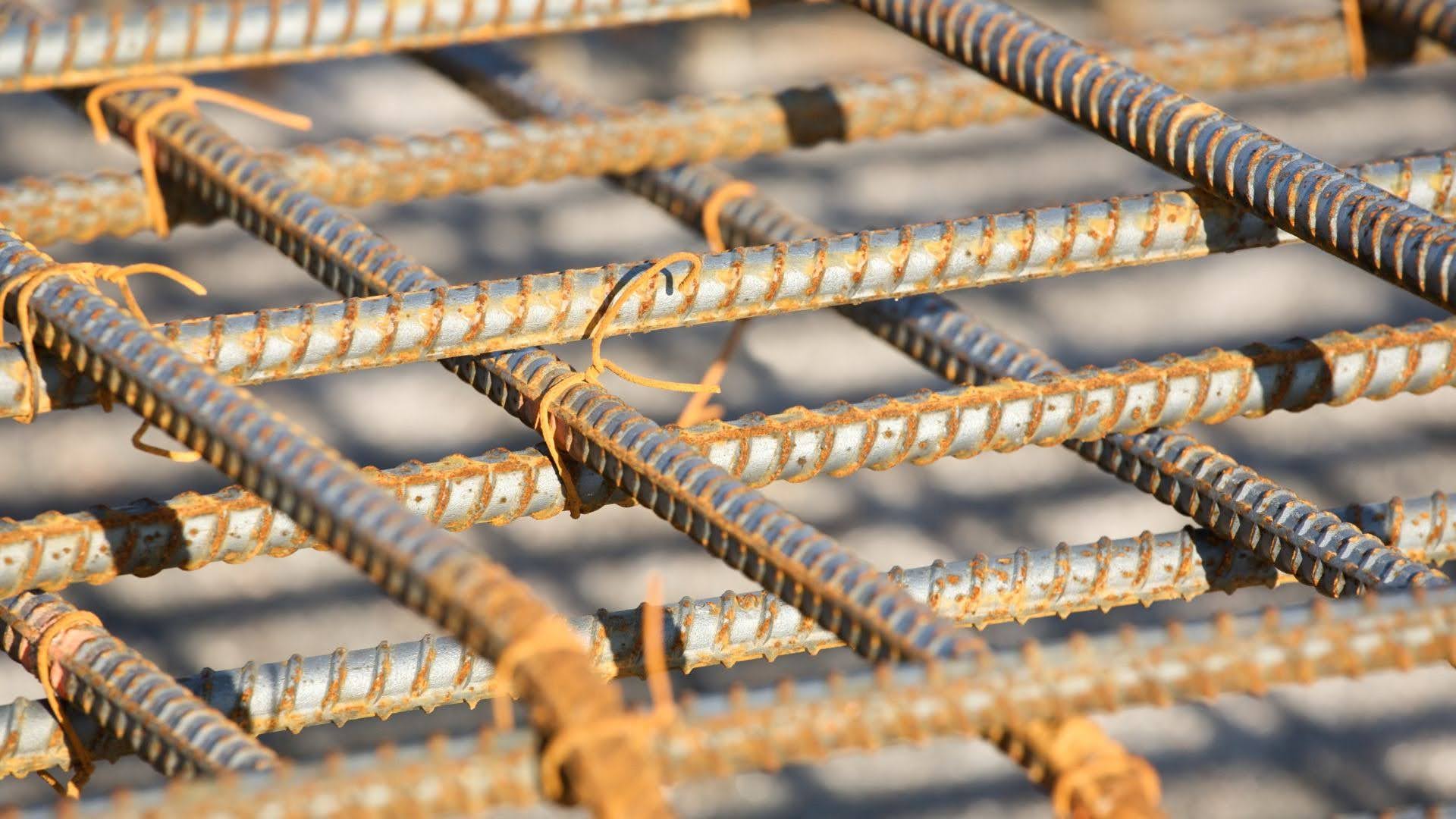
Concrete is brilliant in compression but poor in tension. That’s why reo, short for reinforcement, exists: it lets concrete handle bending, movement, and long-term loads without failing early.
What Is Reo in Construction and Why Do You Need Reobar?
Reo is the steel reinforcement placed inside concrete to help it resist tensile forces. On many Australian sites, they will call it reobar, reo bar, reobars, or “reobar”, and may also mark reinforcement zones with a safety strip to improve visibility and reduce the risk of impalement.
In Australian construction, reobar matters because compliance expectations are high and structural performance needs to last through harsh exposure. Where coastal assets are involved, rust-resistant reo bar extends the lifespan of coastal infrastructure by reducing corrosion risk in aggressive environments.
Reinforcement only performs properly when the concrete is held in the right shape during placement. That is why stable temporary works matter, including formwork plywood and LVL formwork that resist movement while the concrete is wet.
A simple example is a slab or footing. Without a correctly detailed reobar, cracks can open under shrinkage and loading, and the slab can deflect, leading to uneven finishes, damaged tiles, and expensive rectification.
How Does Reobar Strengthen Concrete Structures?
Reobar strengthens concrete by carrying tensile forces that concrete cannot. The bond between concrete and reobar transfers loads, and the ribs or deformations on the bar improve grip so the two materials act together under stress.
Placement is what makes reobar effective, not just its presence. They need correct cover, spacing, laps, and tying so the steel sits where the engineer designed it to work, especially near edges, beams, and openings.
Pour quality also depends on form stability. Common issues with formwork plywood during concrete pouring, such as blowouts, deflection, and loose joints, can shift steel out of position and reduce capacity, even if the bar schedule is correct.
Finish matters too, but it is secondary to structural placement. High-Density Overlay (HDO) plywood can improve surface finish quality, yet accurate reinforcement still drives crack control and load performance.
On real sites, a reinforcement inspection hold point before the pour is where problems get caught. It is far cheaper to adjust reobar and chairs before the truck arrives than to repair a failed pour.
Where Is Rebar Commonly Used on Construction Sites?
Rebar is used across most concrete elements: footings, slabs-on-ground, suspended slabs, beams, columns, retaining walls, driveways, pathways, and precast elements. Wherever bending, shear, or crack control is expected, they will typically see rebar specified.
Selection changes by application, which is why comparing rebar types for project suitability matters. Bar diameter, spacing, bar grade, and lap lengths vary depending on load, span, exposure, and constructability, so the detailing needs to match the drawings rather than habit.
Modern projects add complexity. Formwork plywood/curved concrete forms in modern architecture can look clean, but they still rely on tight reinforcement placement and stable supports to avoid steel migration during vibration and pour.
Sites also need practical protection around steel. Safety strip marking, trip control, and impalement caps reduce risk when crews work around dense cages and starter bars.
Reinforcement work often runs alongside temporary works and perimeter protection. They may specify the importance of scaffold netting for worker safety, and chain shade mesh for worker/material protection and noise reduction on urban sites, with chain & shade mesh in 50% and 90% coverage options for outdoor protection, depending on wind, dust, and privacy needs. For longer installs, UV-resistant chain & shade mesh options for long-term outdoor use help maintain performance, and chain & shade mesh installation for long-lasting performance helps keep the site secure and compliant.
What Is the Difference Between Rebar and Reinforcing Mesh?
Rebar is supplied as individual bars that are cut, bent, and tied into cages. Reinforcing mesh is supplied as welded sheets, designed for speed and consistent spacing, and is commonly used in slabs and pavements where the layout is repetitive.
Mesh is often chosen for slabs-on-ground, driveways, and pathways, while rebar is typical in beams, columns, detailed edge thickenings, heavily loaded zones, and areas with complex bar placement. When engineers need bars to run in specific directions or to anchor into other elements, rebar provides greater control.
Logistics and programme also play a role, especially given the impact of rising building material costs on Australian construction industry budgets. Planning procurement early can reduce delays when steel lead times change.
Formwork still influences both systems. Stable formwork plywood and LVL formwork help keep steel on chairs and spacers during the pour, reducing movement and improving cover consistency.
Selection should follow engineering design, exposure classification, and constructability, not convenience. The right system is the one that reliably achieves the design intent on that site.
What Should You Check Before Installing Reobar?
They should start with a simple pre-install check against drawings: confirm bar schedule, bar grade, diameter, quantity, bends, and location. This is also the moment to confirm compatibility with adjacent items like penetrations, cast-ins, and construction joints before reobar is tied off.
Workmanship controls make or break performance. They should check correct laps, ties, chairs or spacers, cover to formwork, and cleanliness, since mud or oil can reduce bond and undermine how reobar works under load.
Formwork condition matters as much as steel layout. Formwork plywood maintenance for durability on-site, including edge sealing, storage, and cleaning, helps prevent swelling, joint gaps, and movement that can shift reinforcement during placement. If they are specifying plywood, key considerations when selecting F14 plywood grade include expected reuse cycles, exposure, and fit-for-purpose certification, and the difference between F14 and F17 formwork plywood affects stiffness and tolerance under load. For longevity, the lamination process in formwork plywood affects strength/durability, and reuse of formwork plywood is more realistic when sheets are protected and handled correctly.
They should also confirm the temporary works are installed to resist wet concrete pressure. Proper LVL formwork installation for maximum strength reduces movement and improves strength while reducing construction costs by limiting rework and improving pour reliability. When sizing members, a guide to LVL formwork sizes in Australia and choosing the right LVL beam for project needs helps match spans and loads, and the environmental benefits of using LVL formwork in construction can support sustainability targets without sacrificing performance.
Finally, verification before placement is where value is delivered. Reobar cannot be “fixed” after the pour, so they should treat sign-off as essential, not administrative. For larger packages, Covert Procurement’s role in improving formwork plywood quality, reducing costs can help teams source reinforcement and formwork together with consistent specifications, supporting buying quality formwork plywood for large projects and outcomes aligned with an ultimate guide to formwork plywood for durable construction.