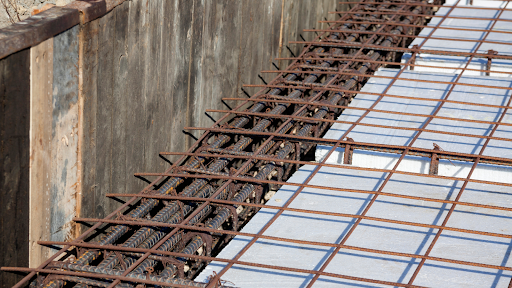
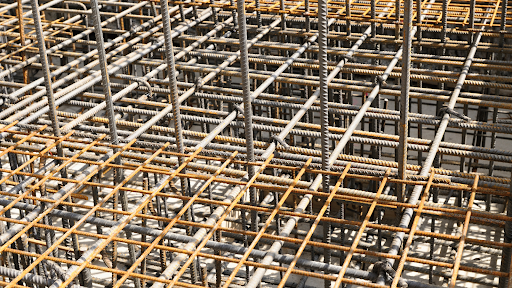
How Can You Identify and Reduce Trip Hazards Around Reo Bar Frameworks? Trip hazards around reo bar frameworks primarily include scattered steel bars, offcuts, tie wire, and construction debris that accumulate during the installation process. These obstacles create...
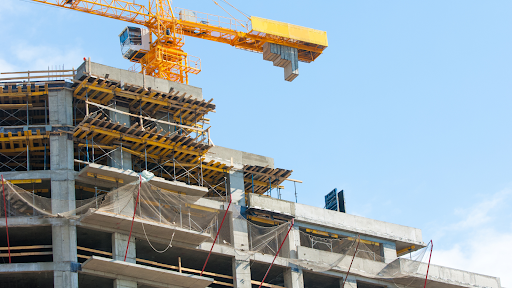
What Australian Standards Govern the Manufacturing of Formwork Plywood? Formwork plywood serves as temporary moulding for concrete structures across Australian construction sites. The primary manufacturing standard for formply in Australia is set by AS 6669, which...
What Steps Should You Take to Clean LVL Formwork After Each Use? Clean Immediately: Start cleaning your LVL formwork immediately after stripping, while the concrete residue is still soft and easier to remove. Scrape Gently: Use a plastic scraper or wooden wedge to...
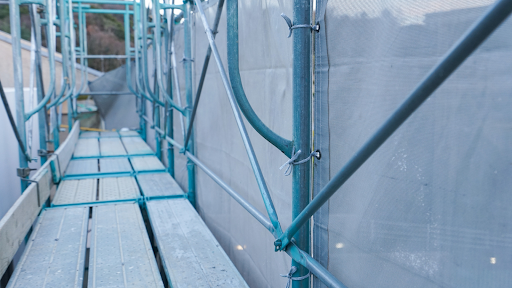
What Is Scaffold Mesh and How Is It Used on Construction Sites? Scaffold mesh is a woven polyethylene material designed to wrap around temporary scaffolding structures and perimeter fencing. This durable scaffolding mesh creates a protective barrier that contains dust...
What Is a Reo Bar and Why Is It Essential for Concrete Slabs? A reo bar (reinforcing bar or rebar) is a steel rod embedded within concrete to create reinforced concrete structures that can withstand significant loads. Concrete excels under compression but fails under...
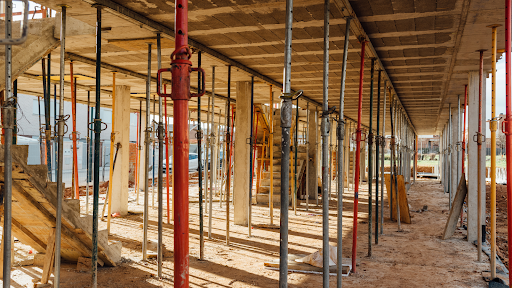
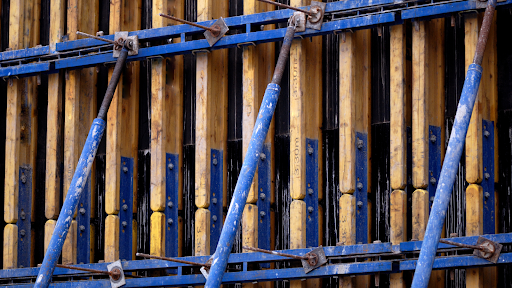
What Is LVL Formwork and How Does It Differ from Timber Beam Formwork? LVL formwork is constructed from laminated veneer lumber, an engineered wood product created by bonding multiple thin wood veneers with high-strength adhesives under extreme pressure. This...