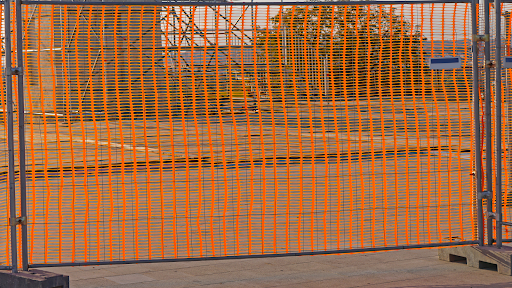
How Is Mesh Fencing Used for Temporary Site Security and Access Control? You Also May Like: Choosing Between Chain & Shade Mesh: 50% and 90% Coverage Using Chain & Shade Mesh for Noise Reduction on Urban Construction Sites The Role of Chain Shade Mesh in...
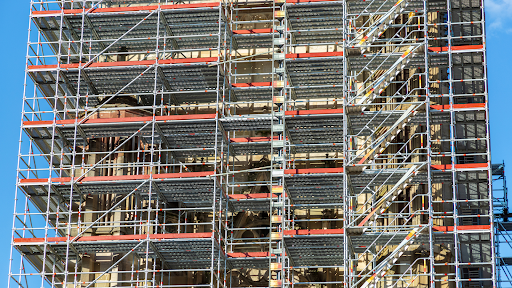
Is Scaffolding Mesh Required by Australian Site Safety Regulations? You Also May Like: 4 Important Features to Look for in Quality Scaffold Mesh What is the 4 to 1 Scaffolding Rule? Scaffolding mesh is one of the most common protective measures seen on Australian...
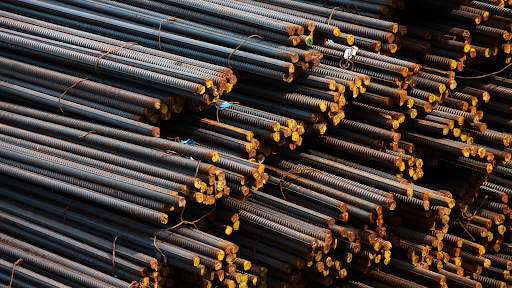
Are Deformed Reobars Stronger Than Plain Reobars for Structural Concrete? You Also May Like: How to Safely Handle and Store Reobars On-Site Reo Bar Basics: Grades, Sizes, and Applications in Aussie Construction The Importance of Reobars in Reinforced Concrete...
How Does Formwork LVL Perform Under Repeated Wet Concrete Pours? You Also May Like: Is LVL Formwork Timber Termite Resistant? How to Ensure the Proper Installation of LVL Formwork for Maximum Strength A Guide to LVL Formwork Sizes in Australia: What You Need to Know...
Can Concrete Plywood Be Used for Curved or Custom Formwork Shapes? You Also May Like: How Many Times Can Concrete Plywood Be Reused? What Is Concrete Plywood? Yes—Concrete Plywood can be used for curved and custom formwork shapes, but the method depends on the radius,...
Does Formply Australia Meet AS 6669 Standards for Structural Use? You Also May Like: How Formply is Tested in Australia What is F Grade Plywood? A Guide to F14 and F17 Formwork Plywood Yes— formply Australia can meet AS 6669 standards for structural use, but only when...