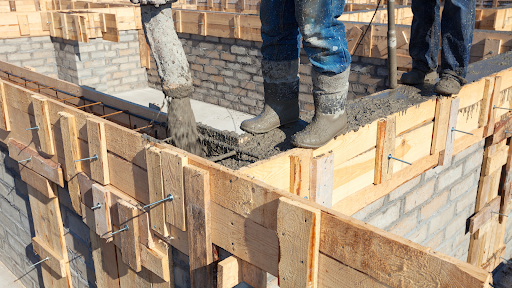
Fastening is how crews fix sheets to frames so the form stays tight under wet concrete pressure. Done well, it improves safety, concrete finish, and the reuse of formwork plywood across more pours. What Types of Fasteners Are Commonly Used with Formwork Plywood?...
LVL timber formwork does not have a single fixed “weight limit” because it operates as a full structural system rather than an isolated component. In real site conditions, the key question is whether the entire lvl timber formwork system can safely support wet...
You May Also Like: What Safety Standards and Certifications Apply to Formwork Plywood in Australia? How Many Times Can Concrete Plywood Be Reused? What is F Grade Plywood? A Guide to F14 and F17 Formwork Plywood Choosing plywood formwork thickness is really about...
You May Also Like: How Do You Secure Reo Bar to Prevent Movement During Concrete Placement? Are Deformed Reobars Stronger Than Plain Reobars? What Safety Precautions Should You Follow When Working with Reo Bar? What Are the Main WHS Risks Associated With Reobars on...
You May Also Like: What is F Grade Plywood? A Guide to F14 and F17 Formwork Plywood What is the Difference Between F14 and F17 Formwork Plywood? F14 Plywood: Key Considerations for Selecting the Right Grade for Your Project Choosing between F14 grade plywood and F17...