
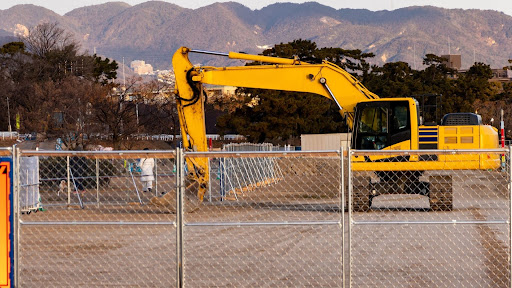
Open pits, trenches, and changing excavation edges create fast-moving risks on construction sites. Mesh fencing is often the first-line control because it sets a clear boundary, supports safe movement, and helps teams protect both people and critical work zones.
What risks do open pits and excavations pose on construction sites?
They create immediate fall hazards for workers, visitors, and subcontractors, especially when access routes change daily. In low light, rain, or muddy conditions, a single misstep near an unprotected edge can become a serious incident, so mesh fencing is used early to create a visible exclusion line.
Urban projects add complexity because pedestrian interfaces and tight boundaries increase pressure on site layout. Scaffold mesh, scaffolding mesh, and scaffold netting can support broader perimeter control and reduce debris escape when used alongside edge protection.
Poor exclusion zones can also harm downstream quality. If access is not controlled, teams can rush reo bars placement, or installed reinforcement can be damaged before a concrete pour, which undermines proper reo bar installation for maximum concrete strength.
Coastal and windy sites raise another issue: wind-blown debris and constant sun exposure. UV-resistant chain & shade mesh options for long-term outdoor use help maintain coverage where standard products may become brittle.
How does mesh fencing improve safety around excavation areas?
Mesh fencing creates a visible, continuous barrier that defines no-go zones and guides safe pedestrian paths. That clarity reduces confusion, prevents shortcutting, and helps keep the pit perimeter controlled as the site changes.
Visibility and communication are central. Bright colours, tags, and signage keep a consistent line-of-sight around corners and access points, reducing “I didn’t see the edge” incidents even when plant, materials, and people are moving quickly.
It also integrates well with temporary scaffolding. Scaffold shade cloth and scaffold mesh can be used on adjacent scaffold runs to manage overhead risks, while mesh fencing controls ground-level access and discourages walk-ins under active work fronts.
For longer exposure, UV-resistant chain & shade mesh helps maintain tension and coverage, avoiding brittle failure. That stability supports quality control too, because fewer interruptions help crews set reo bars accurately and protect reinforcement layout before pouring, supporting maximum concrete strength.
What regulations require mesh fencing on excavation and pit sites?
This is general information, not legal advice. In Australia, WHS duties require risks to be eliminated or minimised so far as reasonably practicable, and excavations are commonly treated as high-risk work needing robust controls. Mesh fencing is frequently used to demonstrate clear ground-level exclusion around hazards.
Inspectors typically look for practical outcomes such as:
- A secure perimeter with no easy step-through gaps
- Controlled access points and consistent barrier height
- Clear signage such as “Deep Excavation” and “No Entry”
- Barriers that remain effective after wind, rain, and site changes
Mesh fencing is commonly expected where the public is nearby, foot traffic is high, edges are unstable, or temporary scaffolding and overhead work increase falling-object risk. Documentation matters as well: site-specific SWMS/JSA, supervision, daily checks after weather or plant movement, and change management when excavation geometry changes.
It also needs to work with other controls. Barricades, handrails, scaffold netting, and scaffold mesh can all play a part, but mesh fencing often remains the foundation for ground-level exclusion.
How do you properly install mesh fencing around excavation zones?
Good installation starts with planning the exclusion line so it accounts for spoil piles, plant swing radius, and safe access and egress. They should keep clearance from any edge instability and avoid creating routes that tempt workers to cut across the boundary.
Posts and spacing should suit soil type and wind loading. Spacing must hold tension, corners should be tight, and there should be no gaps around services, gates, or changes in levels. Mesh fencing only works as a barrier when it is continuous.
Where scaffold runs sit near the pit, the best approach is layered control. Scaffold netting, scaffolding mesh, and scaffold shade cloth can manage overhead risks, while mesh fencing at ground level prevents entry beneath work areas.
Inspection and maintenance must be routine. They should check daily for slack, broken ties, UV degradation, and undermining at the base after rain, then repair immediately. Keeping mesh fencing stable during reinforcement placement helps ensure reo bars are not disturbed, supporting proper reo bar installation for maximum concrete strength.
What are the benefits of using mesh fencing for site security and protection?
Mesh fencing reduces falls, restricts unauthorised entry, and creates predictable movement paths around pits and excavations. That consistency makes the site easier to supervise and safer to work on as conditions change.
Security improves too. Mesh fencing deters theft and vandalism, keeps the public away, and supports after-hours perimeter control when combined with lighting and signage. Durable, UV-resistant materials also last longer outdoors, and reusable components can lower total project costs.
It works best as part of a system. Mesh fencing complements scaffold mesh, scaffold netting, and scaffold shade cloth on adjacent structures while excavation and temporary works progress.
Finally, it supports quality assurance. Protected work zones help teams place reo bars accurately before pouring, improving long-term concrete performance and reducing rework. They should specify, install, and maintain mesh fencing early, then treat it as a critical control until the excavation risk is removed.