When Should LVL Formwork Be Used for Spans and Load-Bearing Formwork?
You Also May Like:
- 4 Benefits of Using LVL Formwork for Your Next Project
- LVL Formwork vs Timber Beams: Which Is Stronger for Concrete Support?
- Using LVL Formwork in Vertical and Horizontal Formwork Applications
LVL (Laminated Veneer Lumber) formwork is an engineered timber product designed for demanding concrete pours where long spans, heavier loads, and consistent performance matter. Unlike standard sawn timber—where knots, grain variation, and moisture movement can reduce reliability—LVL formwork is manufactured in controlled conditions to deliver predictable strength across every beam.
So when should LVL formwork be used for spans and load-bearing formwork? The short answer is: when conventional timber or basic plywood would require too much propping, risk excessive deflection, or create uncertainty under wet concrete loads.
What Is LVL Formwork and How Is It Different From Traditional Timber?
LVL is made by bonding thin timber veneers together with structural adhesive under heat and pressure, with the grain running in the same direction. That parallel grain alignment is what gives LVL its strong bending capacity and consistent performance.
Traditional timber formwork is typically sawn lumber. Even if it’s structurally graded, two pieces of “the same size” can perform very differently in real life because timber varies naturally. LVL formwork reduces that risk by being engineered for uniformity.
When Should LVL Formwork Be Used for Longer Spans?
LVL formwork is a practical choice when spans exceed what conventional timber can handle without excessive props. Many sites turn to LVL when spans approach 3 metres or more between supports, or where reducing propping improves workflow and access.
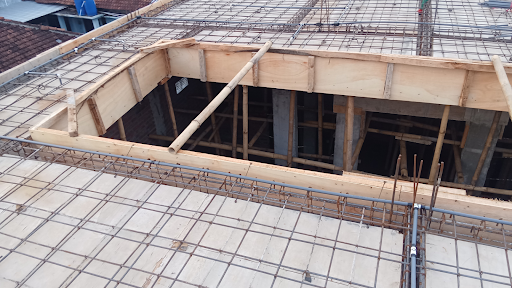
LVL formwork is commonly used for suspended slabs, long soffits, and open-plan layouts because it helps maintain flatter, more stable formwork during a pour. Less deflection generally means fewer finish issues and less remedial work.
Span capability depends on beam depth, grade, and loading. In practice, LVL formwork often lets crews span further with fewer supports than standard timber, which can reduce labour and congestion under formwork.
When Should LVL Formwork Be Used for Load-Bearing Formwork?
Load-bearing formwork is any temporary support system carrying significant weight during the pour—wet concrete, reinforcement, workers, equipment, vibration, and dynamic forces while placing. LVL suits this role because it offers reliable strength and stiffness without the weak points that can occur in natural timber.
LVL is especially useful when formwork needs to remain stable for longer periods (large pours, staged pours, slower curing conditions), or where deflection needs tight control to avoid slab thickness variations.
The benefits matter most when the load demand is high and tolerances are tight. LVL’s predictability makes it easier for supervisors and engineers to design and verify a formwork system that behaves as expected on site.
What Are the Most Common Situations Where LVL Is the Better Choice?
LVL formwork is often the better option when the project involves long spans, heavy loads, repeat use, and reduced propping. Typical scenarios include:
- Multi-storey suspended slabs where minimising props improves safety and access
- Open-plan residential or commercial spaces where intermediate supports disrupt layout
- Car parks and retail builds where clear working areas speed up installation and stripping
- High-traffic pours where consistent stiffness helps maintain levels and surface finish
- Repetitive floor cycles where reuse makes the higher upfront cost worthwhile
How Does Installation Affect LVL Formwork Performance?
LVL formwork only performs to its published capacity when it’s installed correctly. Most issues aren’t caused by the LVL product itself—they come from spacing, orientation, bearing, bracing, or poor connections.
Key installation priorities include correct support spacing (to match load tables), firm bearing points, and proper restraint against lateral movement. LVL also needs sensible handling and storage: avoid leaving beams saturated, protect edges, and maintain straightness.
In other words, LVL can’t “fix” a poorly designed or poorly built formwork system—but it can greatly reduce variability when the system is built correctly.
Which Australian Standards Apply to LVL Formwork?
In Australia, LVL formwork timber is typically governed by:
- AS 3610 (Formwork for Concrete) for formwork design, construction, loading, and inspection
- AS 1720.1 (Timber Structures) for timber design principles
- AS/NZS 4357 (Structural LVL) for LVL product requirements, grades, and testing
These standards guide how loads are assessed, how materials are specified, and how formwork safety is verified before pouring.
When Might LVL Not Be Necessary?
LVL formwork isn’t always the best value. For short spans, smaller pours, or one-off work where reuse is limited, conventional materials can be more cost-effective.
LVL is often unnecessary for simple domestic works like small pads, short-span slab edges, and uncomplicated single pours where F-grade formwork plywood and standard timber frames meet the demand.
Situations where alternatives often make more sense include:
- Short spans where timber can perform without excessive propping
- Small residential pours where reuse cycles are low
- Remote builds where LVL supply and freight cost outweigh benefits
- Projects where steel formwork is already justified for very high reuse cycles
Conclusion
When should LVL formwork be used for spans and load-bearing formwork? Use it when you need longer spans, fewer props, better deflection control, and consistent performance under wet concrete loads. It’s particularly valuable for suspended slabs, open-plan layouts, and repetitive pour cycles where reliability and efficiency matter.
If your project is small or spans are short, standard timber and formwork plywood may still be the better choice. But when loads increase and tolerances tighten, LVL becomes a strong upgrade that improves both performance and site workflow.