
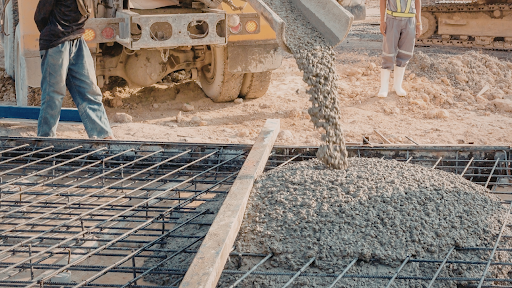
How Does Formwork LVL Perform Under Repeated Wet Concrete Pours?
You Also May Like:
- Is LVL Formwork Timber Termite Resistant?
- How to Ensure the Proper Installation of LVL Formwork for Maximum Strength
- A Guide to LVL Formwork Sizes in Australia: What You Need to Know for Your Build
Formwork LVL is built for repeated exposure to wet concrete, vibration, and site handling, and it generally performs very well when it’s installed, stripped, cleaned, and stored correctly. The big advantage isn’t just strength—it’s consistency. Because Formwork LVL is an engineered product, it stays straighter, carries load more predictably, and is less prone to sudden defects than many traditional timber options. Over multiple pours, the key performance question becomes: does it keep its shape, hold fixings, and resist moisture-related damage long enough to remain economical and safe?
What Is Formwork LVL and How Is It Used in Concrete Pouring?
Formwork LVL is laminated veneer lumber used as structural members in formwork systems—often as bearers, joists, walers, soldiers, and strongbacks. It’s made from thin timber veneers bonded together with structural adhesives under heat and pressure, with the grain generally aligned in the same direction. That manufacturing approach reduces natural timber variability, so the product behaves more uniformly under load.
On-site, Formwork LVL is commonly used for wall form support (resisting lateral pressure from wet concrete) and in slab formwork where a lvl beam spans between props. It’s also used in reusable formwork systems where multiple pours are scheduled across a project, which is where the “repeat wet concrete pour” question matters most.
Why Does Repeated Wet Concrete Exposure Challenge Formwork Materials?
Wet concrete is heavy, alkaline, and often placed with vibration—three things that punish formwork. Moisture can swell timber products, alkaline residue can degrade coatings over time, and repeated handling causes edge damage that becomes a weak point. If a member starts to bow, delaminate, or soften around fixings, it can affect both structural safety and finish quality.
With repeated pours, issues tend to show up in predictable places: edges, corners, cut ends, and high-wear faces where concrete slurry and stripping forces are concentrated. That’s why performance under repeated wet pours is less about “will it work once” and more about “how well does it hold up after many cycles.”
How Does Formwork LVL Resist Moisture and Maintain Structural Integrity Over Multiple Pours?
Formwork LVL resists moisture-related movement better than many non-engineered timbers because its structure is uniform and its adhesive system is designed for structural durability. The lamination reduces the tendency for uneven swelling and twisting, which helps it stay straight between pours.
In practical terms, Formwork LVL usually holds up well when:
- faces are protected (coatings/films or correct release agent use)
- cut ends are sealed
- panels and beams aren’t left sitting in water or mud
- stripping is done without gouging or tearing the surface
It’s worth noting that “moisture resistance” doesn’t mean “waterproof forever.” If Formwork LVL is repeatedly soaked, poorly cleaned, and stored badly, it can still degrade—especially at edges where the laminated structure is exposed.
What Installation Practices Help Formwork LVL Stay Straight and Strong Across Repeat Pours?
Good installation is one of the biggest predictors of how many pours you’ll get out of Formwork LVL. A correctly sized and braced system reduces deflection, prevents blow-outs, and avoids the creeping damage that happens when members are consistently overloaded.
The most important practices are keeping joints supported, keeping loads distributed, and preventing movement during placement and vibration. If Formwork LVL is allowed to “work” under wet concrete pressure—shifting slightly every pour—you’ll see faster wear at fixings and face damage, which shortens usable life.
Key on-site checks that make a real difference include verifying support spacing before each pour, ensuring props sit on firm bases, and keeping formwork plumb and square so concrete pressure doesn’t push panels out of alignment.
How Does Formwork LVL Compare With Plywood and Steel for Reuse Under Wet Pours?
Compared to standard formwork plywood, Formwork LVL typically provides better structural predictability as a beam or framing member across repeated pours, especially where straightness and stiffness matter. Plywood can still be excellent as a facing material (depending on grade and protection), but edges and surfaces often wear faster if maintenance is poor.
Compared to steel formwork, Formwork LVL is lighter and easier to cut and adapt on-site, which is valuable for projects with changing dimensions. Steel generally wins on very high reuse counts in controlled conditions, but it introduces different issues like handling weight, potential denting, and corrosion management depending on environment and storage.
In real projects, Formwork LVL is often chosen because it sits in a practical middle ground: strong, consistent, adaptable, and cost-effective over a meaningful number of pours when looked after.
What Maintenance and Storage Habits Extend Formwork LVL Life Between Pours?
The simplest way to get more reuses out of Formwork LVL is to treat maintenance as part of the pour cycle, not an optional extra. Clean-off matters because concrete residue is abrasive, and alkaline build-up can accelerate surface wear. Storage matters because moisture from ground contact or rain can undo the benefits of engineered stability.
A low-effort routine that helps longevity is:
- clean faces after stripping before residue hardens
- inspect edges and corners for damage
- seal any fresh cuts and exposed laminations
- store off the ground with airflow and cover from weather
If you keep Formwork LVL dry between uses and avoid surface damage during stripping, it tends to remain straighter and more reliable across repeat wet concrete pours, which protects both safety and finish quality.
Conclusion
Formwork LVL performs strongly under repeated wet concrete pours because it’s engineered for consistent strength and stability, and it resists the warping and unpredictability that often show up in non-engineered timber products. The real limiter isn’t usually the material’s capacity—it’s how it’s handled: installation accuracy, cleaning discipline, edge protection, and storage conditions will determine how many successful pour cycles you get before replacement is more practical than repair.