You May Also Like: How to Properly Install Reo Bar for Maximum Concrete Strength What Safety Precautions Should You Follow When Working with Reo Bar? How to Safely Handle and Store Reobars On-Site Keeping steel where it was designed to sit is one of the simplest ways...
You May Also Like: LVL Beams for Load-Bearing Construction: Strength & Benefits How LVL Formwork Improves Strength and Reduces Construction Costs A Guide to LVL Formwork Sizes in Australia: What You Need to Know for Your Build Homeowners often want straighter,...
You May Also Like: How Many Times Can Concrete Plywood Be Reused? How Proper Formwork Plywood Selection Reduces Concrete Surface Defects Choosing the right formwork plywood for a slab is less about picking a “safe” number and more about matching sheet thickness,...
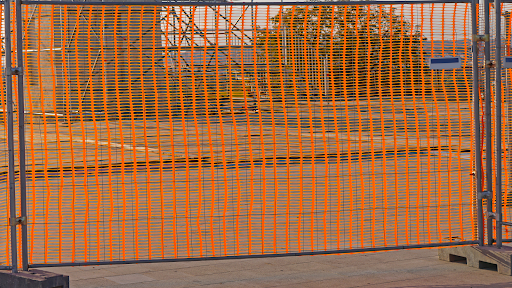
How Is Mesh Fencing Used for Temporary Site Security and Access Control? You Also May Like: Choosing Between Chain & Shade Mesh: 50% and 90% Coverage Using Chain & Shade Mesh for Noise Reduction on Urban Construction Sites The Role of Chain Shade Mesh in...
Is Scaffolding Mesh Required by Australian Site Safety Regulations? You Also May Like: 4 Important Features to Look for in Quality Scaffold Mesh What is the 4 to 1 Scaffolding Rule? Scaffolding mesh is one of the most common protective measures seen on Australian...
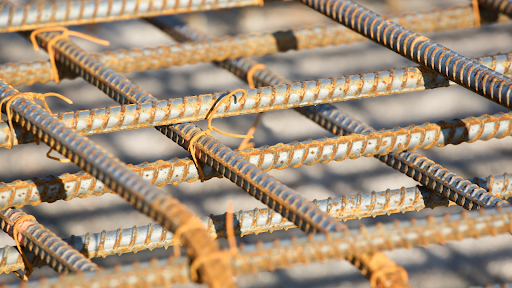
Are Deformed Reobars Stronger Than Plain Reobars for Structural Concrete? You Also May Like: How to Safely Handle and Store Reobars On-Site Reo Bar Basics: Grades, Sizes, and Applications in Aussie Construction The Importance of Reobars in Reinforced Concrete...