
You May Also Like:
- Is LVL Formwork More Cost-Effective Than Traditional Options?
- What Length of LVL Formwork Should You Use for Your Project?
- How Much Weight Can LVL Timber Formwork Support?
What Is an LVL Beam and When Should You Use It on a Construction Site?
An LVL beam is an engineered timber member used when a project needs predictable strength, straightness and span performance. It is commonly used for lintels, bearers, floor framing, roof framing and temporary works where the load path must be reliable.
In LVL construction, laminated veneer lumber is valued for being manufactured to consistent sizes and grades. That makes it easier for engineers, builders and procurement teams to match the product to span tables, load limits and site conditions.
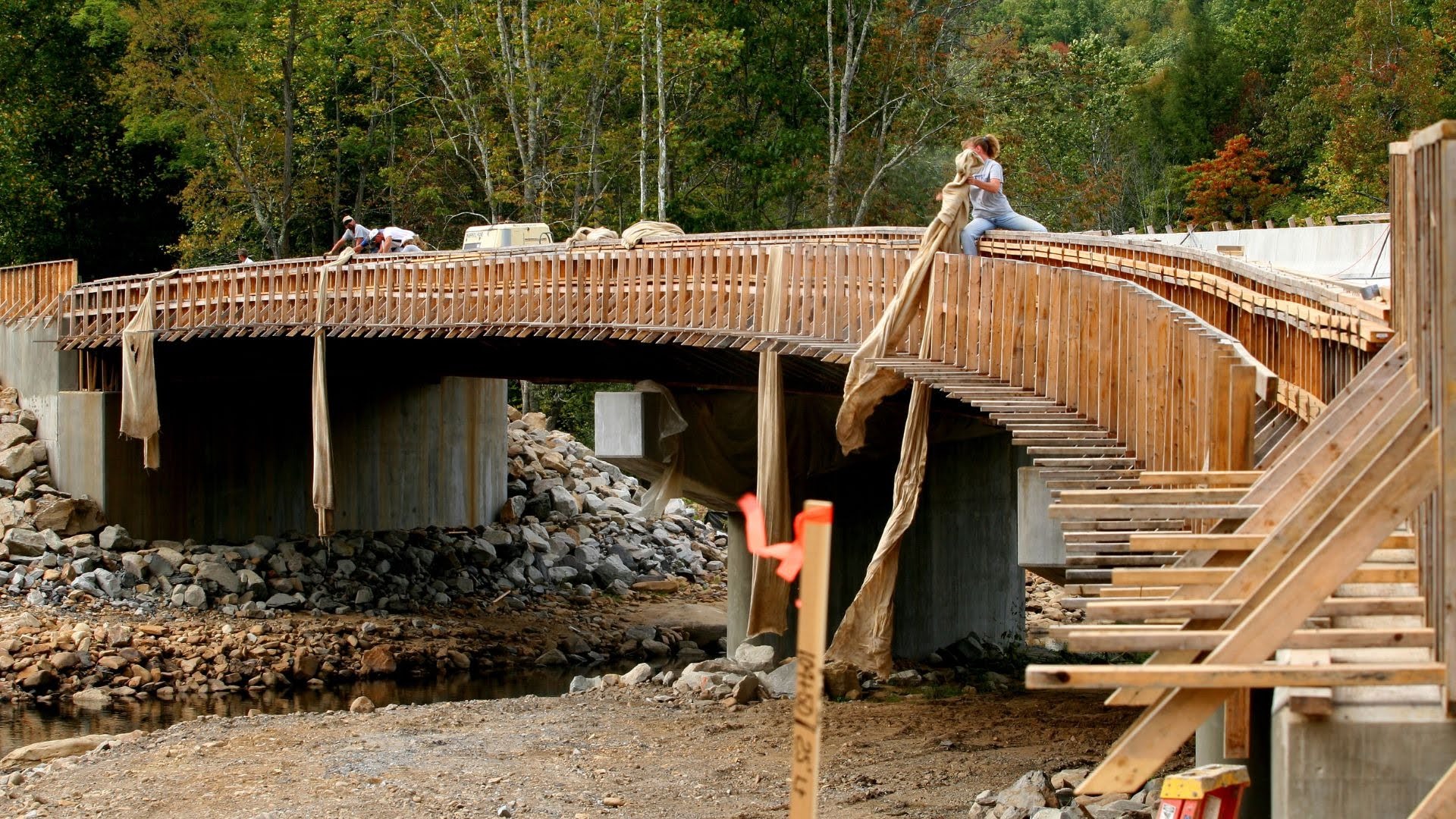
It is also common in temporary work. Formwork LVL systems use engineered timber for joists, bearers, walers, soldiers and bracing because wet concrete loads can rise quickly during a pour. Consistent material reduces movement, helps control deflection and supports better concrete finish outcomes.
Before ordering, compare product grade, treatment, certification and lead times. Quotes may describe similar products as LVL formwork timber, LVL timber formwork, or formwork timber, so the key is to ensure the size, grade, and compliance documents match the design.
What Does a 19.8 kN/m Load Mean for an LVL Beam?
A 19.8 kN/m load is a line load, meaning the force is distributed along the length of the member. For an LVL beam, this is high enough that the span, support conditions, restraint, and bearing details should be checked properly rather than estimated on-site.
This load level does not automatically mean a member is unsafe. It means the full support system matters. The same product can perform differently depending on span length, spacing, number of supports, fixing method, bearing area and whether the load is temporary or permanent.
Common sources of high line loads include:
- Wet concrete during formwork pours
- Floor loads plus partitions and live loads
- Roof loads combined with wind actions
- Stacked materials during construction
- Workers, tools and equipment on temporary platforms
For formwork, the risk is often speed. Concrete, vibration, workers and equipment can load the system rapidly, so prop spacing, bracing, soleplates and walers must match the design before the pour starts.
How Much Weight Can an LVL Beam Support?
There is no universal safe capacity for an LVL beam because capacity depends on the exact product, span, grade, size, bearing and load duration. For loads around or above 19.8 kN/m, use the manufacturer’s span tables and confirm the arrangement with an engineer.
The main capacity factors are:
- Beam depth and width
- LVL grade and manufacturer specifications
- Span length and support spacing
- Distributed load versus point load
- Temporary versus permanent loading
- Bearing length and bearing material
- Lateral restraint, blocking and bracing
- Fixings, hangers, connectors and packers
Temporary works need extra caution because deflection can affect both safety and finish quality. Poor spacing can lead to movement, joint opening, uneven concrete surfaces and rework. Strong plywood facing, including higher-grade formwork plywood, cannot compensate for an under-supported frame.
A practical site process is to check the design load, confirm the span table, inspect support points, verify restraints, and escalate unusual or heavy load cases before installation continues.
When Is an LVL Beam Better Than Solid Timber?
An LVL beam is usually better than solid timber when the project needs longer spans, straighter material and predictable engineering performance. Solid timber can vary more due to knots, moisture movement and natural defects, while LVL formwork is manufactured for consistency.
It is especially useful where repeated installation accuracy matters, such as multi-stage framing, suspended slabs, temporary propping systems, and projects where delays caused by warped or inconsistent timber would increase labour costs.
LVL timber formwork can also reduce waste. Because it is made from veneers, it can provide efficient use of timber resources while giving builders more predictable lengths and sections. On projects where reuse is planned, proper storage, moisture protection, cut sealing, and careful stripping can extend service life.
However, LVL formwork still needs correct handling. It should be stored off the ground, protected from standing water, lifted without damage, and installed according to the manufacturer’s guidance. The product choice is only as strong as the site practice supporting it.
What Should You Check Before Choosing an LVL Beam?
Before choosing an LVL beam for loads near 19.8 kN/m, confirm the load case and support system first. The member should be selected as part of a verified load path, not treated as an isolated piece of timber.
Use this checklist before purchase and installation:
- Confirm whether the load is temporary or permanent
- Check span, spacing and exact support points
- Verify bearing length and bearing surface condition
- Confirm lateral restraint and bracing requirements
- Check connectors, hangers, fixings and edge distances
- Review moisture exposure and cut-sealing requirements
- Match the product stamp to the span table version
- Keep compliance documents available on site
Procurement should support the design. Compare timber LVL formwork prices carefully, because cheaper supply is not useful if the grade, treatment, certification or lead time does not match the job. For staged work, a planned LVL timber buy can help keep material consistent across deliveries.
For heavy temporary works, confirm prop condition, soleplates, wedges, bracing, pour sequence and pre-pour inspections. If the project is approaching or exceeding 19.8 kN/m, the safest step is to have the support details checked before materials arrive or installation begins.