
You May Also Like:
- How to Properly Install Reo Bar for Maximum Concrete Strength
- What Safety Precautions Should You Follow When Working with Reo Bar?
- How to Safely Handle and Store Reobars On-Site
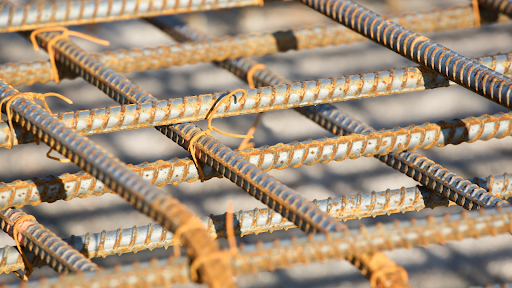
Keeping steel where it was designed to sit is one of the simplest ways to protect strength, cover, and long-term durability. On busy pours, even a well-set reo bar cage can shift unless ties, supports, formwork, and access are controlled as one system.
Why Does Reo Bar Move During Concrete Placement?
In Australian construction, reo bar is the steel reinforcement installed in slabs, beams, walls, and footings to carry tension and improve structural performance. It moves because wet concrete behaves like a heavy fluid and the site environment adds sudden impacts.
Common forces include concrete pressure and surge, pump hose impact, vibration, workers stepping on steel, and inadequate bracing. When reo bar shifts, cover can reduce, increasing exposure and corrosion risk, which is critical on coastal builds. Movement can also shorten effective lap lengths and disrupt load paths.
Rust-resistant reo bar can extend coastal infrastructure lifespan, but only if cover and position are maintained throughout the pour. Support systems help, and so do site safety controls like safety strip zones that reduce unplanned contact which can dislodge steel.
What Is the Correct Way to Tie Reo Bar Before a Pour?
The purpose of tying is to hold reo bar in place during placement and vibration, not to “carry” structural loads. A consistent tying method matters more than over-tightening one spot and missing the next.
A practical workflow used on Australian sites is: set out, place bottom mats, install bar chairs, place top mats, tie intersections, check cover and laps, then complete a final inspection before the pour. Minimising re-handling also prevents the reo bar alignment being dragged out of line, so crews often pre-cut and pre-bend where possible and stage bundles close to the pour zone.
Sequencing should aim for one complete cage build. Services and penetrations are best installed early to avoid later cutting and re-tying that loosens the cage. Once the mats are complete, a safety strip exclusion line helps keep foot traffic, and tool drops off finished reo bar. “
How Should Crews Stage Reinforcement To Avoid Re-Handling Before The Pour?
They should pre-cut, pre-bend, and stage bundles near the workface so reo bar is lifted into place, not dragged across formwork. They should also sequence penetrations early so the cage is completed once, then protect completed zones with a safety strip to discourage walking across mats.
How Do Bar Chairs and Spacers Prevent Reinforcement Movement?
Bar chairs and spacers maintain cover, stop mats sinking or tilting, and keep reo bar aligned under the load of workers and wet concrete. They are the “position control” that ties alone cannot provide, especially when vibration begins.
Selection depends on reobar diameter, load class, and substrate, such as membrane, blinding, or formwork. Supports must also suit the element: slabs, beams, walls, and footings each need different chair and spacer choices. Failures are usually simple: chairs on soft spots, too few chairs, the wrong type for the load, or chairs knocked over by hoses and vibration.
A pre-pour walk-through should re-stand chairs, verify cover, and replace damaged supports, especially on long pours. On tight urban sites, chain & shade mesh (50% and 90% coverage options) can help control movement around the pour zone while also reducing noise and protecting workers and materials in construction, with UV-resistant chain & shade mesh options for long-term outdoor use.
Where Do Chairs/Spacers Fail Most Often During Placement?
They fail where the substrate is soft, where chair spacing is too wide, and where pump hoses repeatedly land or sweep. They also fail at edges and step-downs where vibration is strongest, so the reobar should be rechecked and re-supported before the concrete arrives.
How Far Apart Should Reo Bars Be Tied for Stability?
There is no single universal tie spacing because tie frequency depends on reobar size, mat stiffness, vertical versus horizontal applications, congestion, pour method (pump versus chute), and vibration intensity. The goal is to prevent separation, rolling, and twisting where movement is most likely.
A practical approach is to tie more frequently at edges, laps, penetrations, and step-downs, and where workers will walk. Fewer ties may be acceptable in tight mesh zones where chairs and spacers maintain alignment, but any area exposed to hose contact or high vibration needs more restraint to keep reo bar from floating.
How Should Tie Patterns Change At Laps, Corners, And Penetrations?
At laps, tie more densely to stop bars from separating during vibration and ensure laps stay supported on chairs or spacers. At corners and returns, add ties to prevent twisting and spring-back and confirm cover to form faces. Around penetrations and block-outs, add ties plus extra spacers so reo bar does not drift into openings during placement.
What Are the Most Common Mistakes That Cause Reo Bar to Shift During a Pour?
Under-tying intersections or using inconsistent techniques allows reo bar to float or roll when concrete surges. Too few or incorrect bar chairs and spacers let mats sag, reducing cover and increasing corrosion risk.
Unstable formwork systems also trigger sudden movement. Formwork plywood deflection, blowouts, or poor LVL formwork installation can shift cages instantly, so teams should match materials and maintenance to the pour demands. This includes understanding the difference between F14 and F17 formwork plywood, the value of High-Density Overlay (HDO) plywood for improved concrete finish quality, the lamination process in formwork plywood affecting strength/durability, and the reuse of formwork plywood alongside proper formwork plywood maintenance for durability on-site.
Finally, site access not being controlled causes displacement from foot traffic and wheelbarrows. They should use a safety strip to define no-step zones and set designated walk boards.
Pre-pour stability checklist:
- Tie check at edges, laps, corners, and penetrations
- Chair/spacer check for cover, soft spots, and damage
- Lap lengths and load path alignment check
- Hose movement plan and “no drop” handling
- Vibration plan to avoid overworking one area
- Access control using safety strip zones and walk boards
They should treat reo bar stability as a combined system of tying, support, formwork, and access control, then lock it in with a final walk-through before placing concrete. Apply the checklist on the next pour and enforce the safety strip zones to keep reinforcement exactly where it was designed to be.