
What Reo Bar Sizes Are Commonly Used for Slabs, Footings, and Columns?
You Also May Like:
- How to Cut and Install Reo Bar Safely for Concrete Slabs?
- How to Work with Reobar Safely on Site
- What Is a Reo Bar Used For?
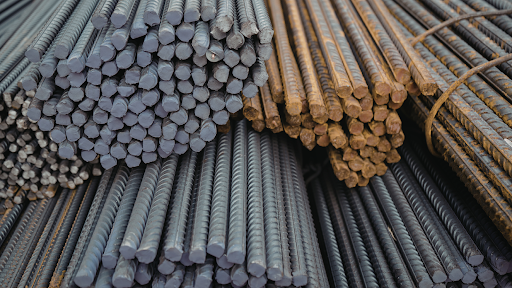
Reo bars, short for reinforcing bars, are steel rods embedded in concrete to provide tensile strength that concrete alone cannot deliver. While concrete performs exceptionally well under compression, it cracks easily under tension. Reo bars absorb these tensile forces, allowing concrete structures to safely support loads, resist movement, and maintain long-term durability.
In Australia, reo bars must comply with AS/NZS 4671, which governs material strength, ductility, surface characteristics, and quality control. Selecting the correct reo bar size for each structural element—slabs, footings, and columns—is essential to meeting both engineering requirements and code compliance.
What Are the Standard Reo Bar Sizes Used in Australia?
Australian reo bar isidentified by diameter in millimetres, using a simple “R” designation. For example, R12 refers to a 12mm diameter bar. Sizes typically range from 10mm through to 36mm, with engineers selecting bar diameters based on load calculations, exposure conditions, and structural function.
The most commonly specified sizes across residential and commercial construction are:
- R10 to R16 for slabs and light structural elements
- R16 to R24 for footings and foundations
- R20 to R36 for columns and high-load vertical members
While diameter is important, bar spacing, concrete strength, and cover depth work together to determine overall structural performance.
What Reo Bar Sizes Are Commonly Used for Slabs?
Concrete slabs generally use smaller diameter reo bars because loads are distributed horizontally over a wide area. Most residential slabs rely on R10 or R12 bars, while heavier applications step up to R16.
Slab thickness and loading dictate final sizing. Thinner slabs around 100mm can perform adequately with smaller bars, whereas thicker slabs or those supporting vehicles, machinery, or multi-storey loads usually require larger diameters or tighter spacing.
Reo bars in slabs primarily serve crack control rather than pure load carrying. Using smaller bars at closer centres helps limit shrinkage cracking during curing and accommodates thermal movement over the slab’s lifespan. Engineers also specify additional reinforcement around edges, penetrations, and point loads, where stresses concentrate.
What Reo Bar Sizes Are Typically Used for Footings?
Footings carry the full weight of the structure and transfer it into the ground, so they require stronger reinforcement than slabs. Most residential footings use R16 bars, while heavier buildings and poor soil conditions push sizes up to R20 or R24.
The bar size selection depends heavily on soil bearing capacity, footing depth, and building height. Deeper footings and pad footings supporting columns require reinforcement in multiple directions, forming a cage that resists bending, shear, and differential settlement.
Common footing reinforcement ranges include:
- R16 for standard residential strip and pad footings
- R20–R24 for multi-storey or commercial foundations
- R28+ for industrial or high-load structures
Environmental exposure also matters. Footings in damp or coastal areas often justify corrosion-resistant reobars, as repairs to foundations are costly once the structure is complete.
How Do Reo Bar Sizes Differ for Columns?
Columns experience the highest concentrated loads in a building, carrying weight from floors above and transferring it directly into the footings. As a result, columns require significantly larger reo bars than slabs.
Residential columns commonly use R16 to R20 bars, while commercial and high-rise columns frequently specify R25, R32, or even R36 bars. Taller columns and higher axial loads increase the risk of buckling, which larger diameter bars help resist.
Column design must also account for bar spacing, lap lengths, and confinement reinforcement. Larger bars reduce the number of vertical bars needed, which helps avoid congestion and improves concrete flow during pouring—an important consideration in narrow column sections.
Why Installation Matters as Much as Bar Size
Even correctly sized reobars will underperform if installed incorrectly. Bars must be placed in the correct tension zones, held firmly during pouring, and surrounded by adequate concrete cover to prevent corrosion.
Poor installation can reduce structural capacity dramatically by allowing bars to shift, sit too close to the surface, or fail to bond properly with the concrete. This is especially critical in columns and footings, where errors are difficult and expensive to fix later.
Cover depth is particularly important in Australian conditions. Internal slabs may only require around 20–30mm of cover, while coastal or exposed elements often need 40–50mm or more to protect against corrosion.
Additional Factors When Choosing Reo Bar Sizes
Selecting the right reo bar size isn’t just about strength calculations. Long-term durability, exposure conditions, and project budget all play a role.
Key considerations include:
- environmental exposure (coastal, industrial, or inland)
- expected service life and maintenance access
- balance between material cost and long-term performance
- compliance with AS/NZS 4671 and engineering specifications
Larger bars increase material costs quickly, but under-reinforcing critical elements can lead to structural issues and expensive remediation. The goal is always to meet performance requirements without unnecessary over-specification.
Final Thoughts
So, what reo bar sizes are commonly used for slabs, footings, and columns? In most Australian projects, slabs use R10–R16 bars, footings rely on R16–R24 bars, and columns demand R20–R36 bars depending on load and height. The exact specification should always be determined by structural design, site conditions, and exposure classification—not guesswork.